In the early 1850s, the American West was experiencing unprecedented economic growth due to the California Gold Rush, which brought a massive
influx of settlers, miners, and entrepreneurs seeking fortune. While gold poured out of the Sierra Nevada mines, many of the privately minted coins
circulating in California were low quality, inconsistent, or undervalued, leaving residents and merchants frustrated. This led to growing calls for the
state to establish an official assay office, an institution responsible for testing and certifying the purity of gold and other precious metals, ensuring
trust in the local economy. California citizens wanted a regulated system to standardize gold coinage, prevent fraud, and stabilize the rapidly
expanding economy. This demand for reliable currency helped create historic coins like the 1854 Kellogg & Co. $20 Coin, which became a trusted
medium of exchange and a prized collector’s item today.
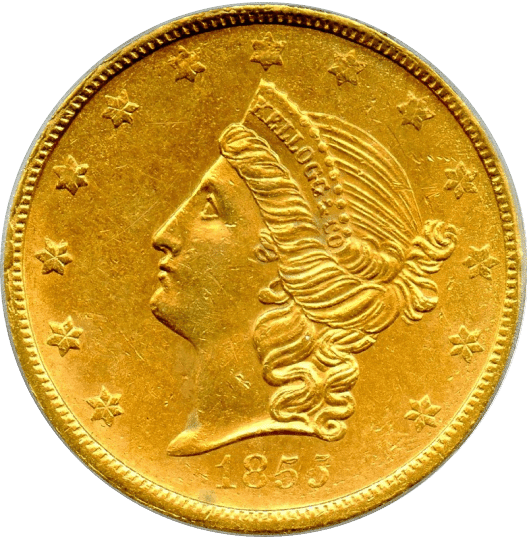
This handsome 1854 Kellogg $20 coin is a part of California and American history. This coin is a warm honey-gold color with bronze hues
in the protected areas. The Kellogg $20 is uniformly rendered and bold throughout, with traces of mint luster visible within the most
intricate central elements on each side.
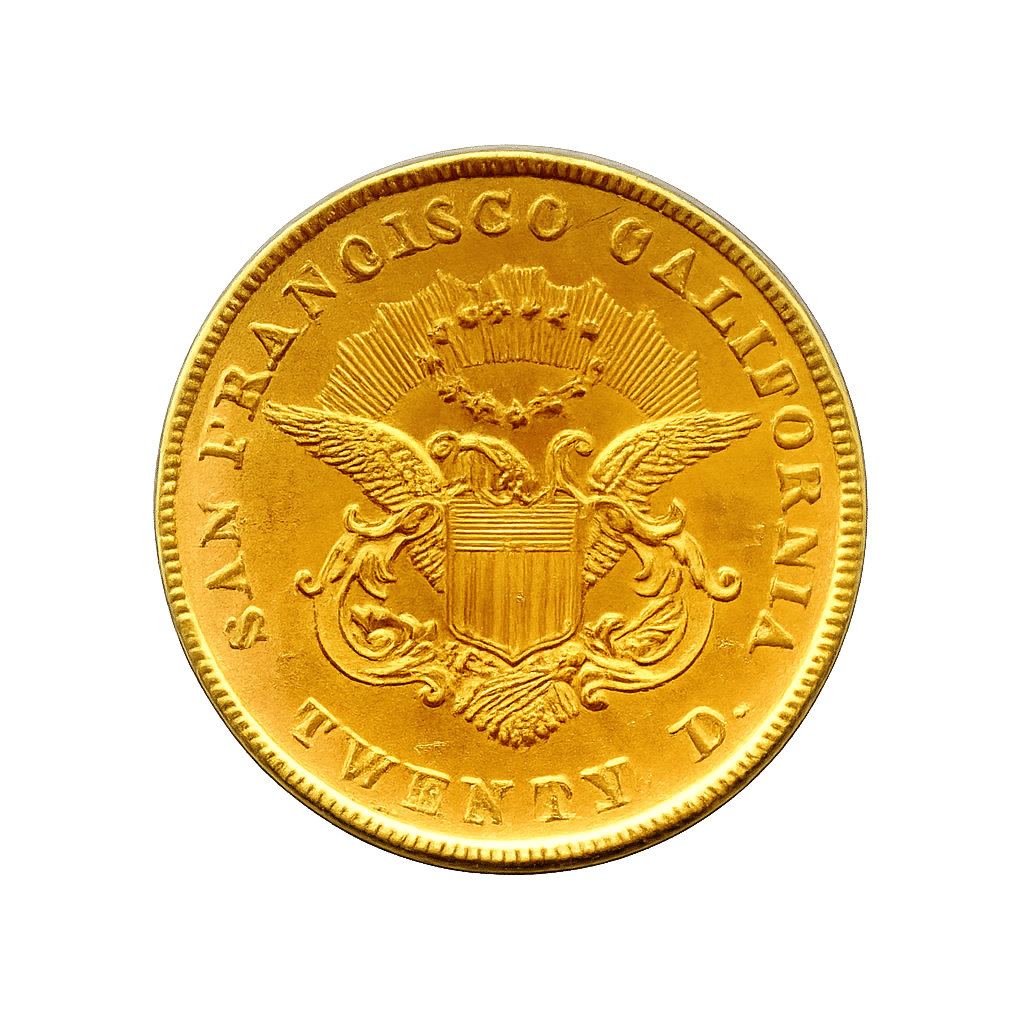
The reverse of the 1854 Kellogg & co. $20 Coin features a bold eagle motif, symbolizing strength and national pride during the California Gold Rush era. Struck by Kellogg & Co. in locally sourced gold, the design is crisply rendered with intricate detailing in the feathers and shield elements, showcasing the high-quality craftsmanship of mid-19th century private minting. Each coin carries a face value of $20 and reflects the practical yet artistic approach of private mints supplying reliable coinage in a rapidly growing economy. The simplicity and clarity of the eagle design make it both historically significant and highly collectible, appealing to numismatists and history enthusiasts alike.
The obverse of the 1854 Kellogg & co. $20 Coin features a classic Liberty portrait, representing freedom and the pioneering spirit of mid-19th century America. Struck in locally sourced gold by Kellogg & Co., the design is finely detailed, with well-defined facial features, hair, and stars encircling the bust, reflecting the skill and precision of early private minting. Each coin carries a face value of $20 and embodies both practical utility and artistic expression, making it highly prized by collectors. The striking and elegant presentation of Liberty connects the coin to the broader heritage of American coinage and the California Gold Rush era.
The 1854 Kellogg & co. $20 Coin coin is struck in approximately .900 fine gold, weighing about 1 troy ounce with a diameter of roughly 34 mm and a thickness of 2.7 to 3.0 mm. The obverse features a detailed Liberty portrait with surrounding stars, while the reverse displays a bold eagle motif with shield, reflecting the artistry and craftsmanship of California’s private mints during the Gold Rush era.
The 1854 Kellogg & Co. $20 gold coin derives its core value from its gold content, with approximately one troy ounce of .900 fine gold giving it intrinsic worth that moves with the global gold market. Beyond the gold itself, the coin carries significant historical value as a product of a private California mint during the Gold Rush, representing an era of rapid economic growth and pioneering enterprise. Its iconic Liberty obverse and bold eagle reverse highlight the craftsmanship of mid-19th century American coinage, while its rarity and connection to California history make it highly prized by collectors. This combination of precious metal content, historical significance, and artistry makes the Kellogg $20 a unique and highly desirable coin for both investors and numismatists.
The 1854 Kellogg & co. $20 Coin coin is struck in approximately .900 fine gold, weighing about 1 troy ounce with a diameter of roughly 34 mm and a thickness of 2.7 to 3.0 mm. The obverse features a detailed Liberty portrait with surrounding stars, while the reverse displays a bold eagle motif with shield, reflecting the artistry and craftsmanship of California’s private mints during the Gold Rush era.
The 1854 Kellogg & Co. $20 gold coin derives its core value from its gold content, with approximately one troy ounce of .900 fine gold giving it intrinsic worth that moves with the global gold market. Beyond the gold itself, the coin carries significant historical value as a product of a private California mint during the Gold Rush, representing an era of rapid economic growth and pioneering enterprise. Its iconic Liberty obverse and bold eagle reverse highlight the craftsmanship of mid-19th century American coinage, while its rarity and connection to California history make it highly prized by collectors. This combination of precious metal content, historical significance, and artistry makes the Kellogg $20 a unique and highly desirable coin for both investors and numismatists.
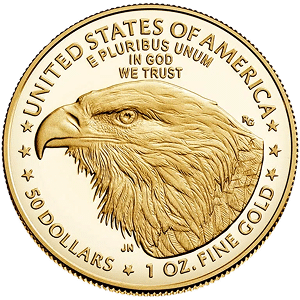
The American Gold Eagle, introduced in 1986, is primarily gold but includes small amounts of silver and copper for added durability.
The 1854 Kellogg $20 coin, born from the California Gold Rush, is a rare collector’s piece and a notable part of American history.
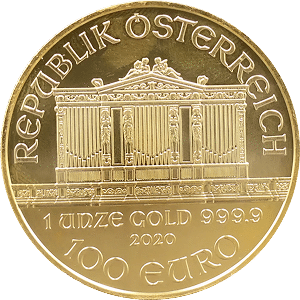
The Austrian Gold Philharmonic, first minted in 1989, was created to honor the Vienna Orchestra—reflected in its distinctive musical-themed designs.
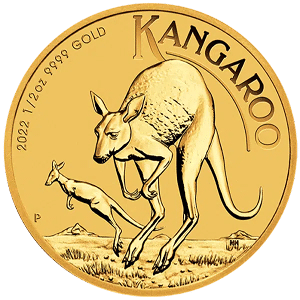
The Australian Gold Kangaroo, first introduced in 1986, is widely regarded as a benchmark for craftsmanship and quality in modern bullion coins.
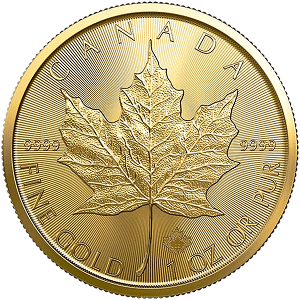
The Canadian Gold Maple Leaf is among the world’s purest coins, featuring 99.9999% gold—and even higher purity in special editions.
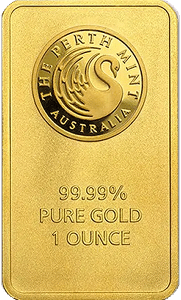
If the remarkable beauty of the Perth Mint 1oz Gold Bar does not first attract one, the security and authenticity feature is sure to make one’s head turn.