 Skip to content



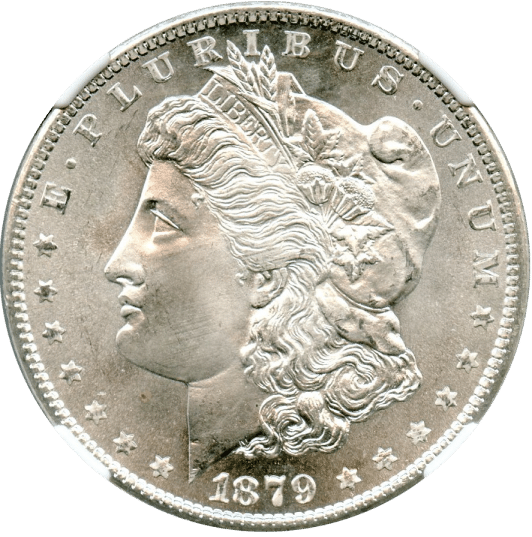
Morgan Silver Dollars (NGC MS68)
Keep your investments secure



About the Morgan Silver Dollar
The Morgan Silver Dollar, first struck at 3:17 p.m. on March 11, 1878, was presented to President Rutherford B. Hayes and quickly became one of the most iconic coins in American history. Designed by George T. Morgan, the coin features a striking depiction of Lady Liberty on the obverse and a powerful eagle on the reverse. Produced initially in Philadelphia and later at the San Francisco, Carson City, New Orleans, and Denver mints, these silver dollars contain 90% silver and 10% copper, making them both beautiful and valuable. Collectors prize Morgan Dollars for their historical significance, distinctive design, and, in high grades like MS68, their exceptional rarity and pristine condition.
For many collectors and investors, a common question is whether Morgan Silver Dollars are a good investment. These coins combine both intrinsic value, due to their 90% silver content, and numismatic value, which comes from rarity, condition, and historical significance. Over time, well-preserved examples, especially those graded MS68, have consistently held or increased in value, making them a popular choice for those looking to build a tangible, long-term investment while also owning a piece of American history.
Morgan Silver Dollar Design & Feautures
The design of this coin is especially interesting because Morgan aimed to depict an American woman on the coin for the first time, instead of the usual Greek Style profile. Morgan’s friend, artist Thomas Eakins, suggested he use Anna Willess Williams of Philadelphia as a model. In total, Morgan had five sittings with Williams; he declared her profile to be the most perfect he had seen.
Obverse Inscriptions And Characteristics
The obverse of the Morgan Silver Dollar features a profile of Lady Liberty, modeled by Anna Willess Williams and designed by George T. Morgan. Liberty is depicted wearing a Phrygian cap, with “LIBERTY” inscribed on the headband. Surrounding her head are sprigs of cotton and wheat, symbolizing America’s agricultural heritage, while stars encircle the rim to represent the states of the Union at the time. The inscription “E PLURIBUS UNUM” appears above, along with the year of issue. This design captures both the classical beauty of Liberty and uniquely American symbols of freedom and prosperity.
Reverse Inscriptions And Characteristics
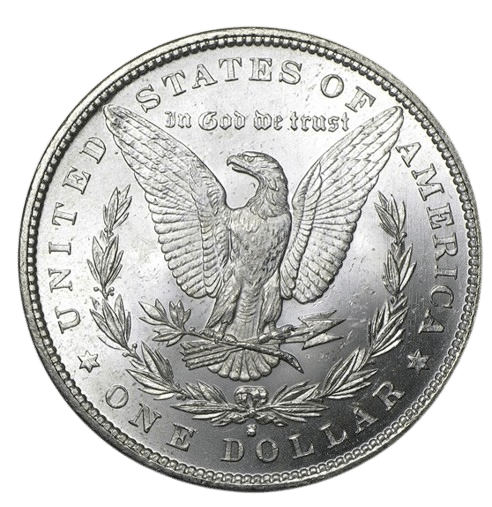
The reverse of the coin showcases a bold bald eagle with outstretched wings, also designed by Morgan. The eagle grasps arrows in one talon and an olive branch in the other, representing a balance of strength and a desire for peace. A wreath surrounds the eagle, while the inscriptions “UNITED STATES OF AMERICA”, “IN GOD WE TRUST”, and “ONE DOLLAR” emphasize the coin’s identity and national significance. On MS68 coins, the eagle’s feathers and the intricate details of the wreath remain crisp and flawless, highlighting the exceptional preservation of these highly collectible coins.
COIN SPECS
COIN WEIGHTS
- Mint Philadelphia (no mintmark),
- Dates in Use 1878–1904, 1921
- Purity 90% Silver, 10% Copper
- Weight 0.86 Troy Ounces
- Diameter 38.1 mm
- Thickness 2.4 mm
- Obverse Profile of Lady Liberty
- Reverse Bald eagle with outstretched wings
- Face Value $1 USD
San Francisco (S), Carson City (CC),
New Orleans (O), Denver (D)
- 0.86 Troy Ounce
Highlights & Specs
The Morgan Silver Dollar is struck in 90% silver (.900 fine) and 10% copper, weighing 412.5 grains (26.73 grams) with a diameter of 38.1 mm and a thickness of 2.4 mm. They were produced at the Philadelphia, San Francisco, Carson City, New Orleans, and Denver mints. If you’re wondering where are mint marks on Morgan Silver Dollars, they can be found on the reverse, just below the wreath and above the “D” or “O” in “DOLLAR,” depending on the mint. The obverse features a profile of Lady Liberty wearing a Phrygian cap with “LIBERTY” on the band, surrounded by cotton and wheat. The reverse displays a bald eagle with outstretched wings holding arrows and an olive branch, encircled by a wreath with the inscriptions “UNITED STATES OF AMERICA,” “IN GOD WE TRUST,” and “ONE DOLLAR.”
Understanding the Value
Morgan Silver Dollars are valued both for their silver content and their historical significance. Standard circulated coins reflect the intrinsic value of their 90% silver composition and are widely recognized for their accessibility and enduring appeal. Uncirculated examples, especially those graded MS68, carry additional value due to their pristine condition, sharp details, and rarity. Coins from certain mints, such as Carson City, or from specific years with lower production numbers, are particularly prized by collectors. Together, these factors make Morgan Silver Dollars not only a tangible investment in silver but also a cherished piece of American history.
COIN WEIGHTS
- Mint Philadelphia (no mintmark), San Francisco (S), Carson City (CC), New Orleans (O), Denver (D)
- Dates in Use 1878–1904, 1921
- Purity 90% Silver, 10% Copper
- Weight 0.86 Troy Ounces
- Diameter 38.1 mm
- Thickness 2.4 mm
- Obverse Profile of Lady Liberty
- Reverse Bald eagle with outstretched wings
- Face Value $1 USD
COIN SPECS
- 0.86 Troy Ounce
Highlights & Specs
The Morgan Silver Dollar is struck in 90% silver (.900 fine) and 10% copper, weighing 412.5 grains (26.73 grams) with a diameter of 38.1 mm and a thickness of 2.4 mm. They were produced at the Philadelphia, San Francisco, Carson City, New Orleans, and Denver mints. If you’re wondering where are mint marks on Morgan Silver Dollars, they can be found on the reverse, just below the wreath and above the “D” or “O” in “DOLLAR,” depending on the mint. The obverse features a profile of Lady Liberty wearing a Phrygian cap with “LIBERTY” on the band, surrounded by cotton and wheat. The reverse displays a bald eagle with outstretched wings holding arrows and an olive branch, encircled by a wreath with the inscriptions “UNITED STATES OF AMERICA,” “IN GOD WE TRUST,” and “ONE DOLLAR.”
Understanding the Value
Morgan Silver Dollars are valued both for their silver content and their historical significance. Standard circulated coins reflect the intrinsic value of their 90% silver composition and are widely recognized for their accessibility and enduring appeal. Uncirculated examples, especially those graded MS68, carry additional value due to their pristine condition, sharp details, and rarity. Coins from certain mints, such as Carson City, or from specific years with lower production numbers, are particularly prized by collectors. Together, these factors make Morgan Silver Dollars not only a tangible investment in silver but also a cherished piece of American history.
Frequently Asked Questions
How Much Are Morgan Silver Dollars Worth?
The value of Morgan Silver Dollars depends on the year, mint, condition, and rarity. Circulated coins are generally valued for their silver content, while uncirculated or high-grade coins, such as MS68, can command significant premiums among collectors. |
What Is NGC MS68?
NGC MS68 is a coin grading designation by the Numismatic Guaranty Corporation. “MS” stands for Mint State, meaning the coin is uncirculated, and “68” indicates a near-perfect condition on the 70-point Sheldon scale. Coins with this grade are highly prized for their sharp details and minimal imperfections. |
Are Morgan Silver Dollars Pure Silver?
| Morgan Silver Dollars are struck in 90% silver and 10% copper. While not .999 fine silver like modern bullion coins, their silver content still gives them intrinsic value. |
Where Are Mint Marks On Morgan Silver Dollars?
Mint marks on Morgan Silver Dollars are located on the reverse, just below the wreath and above the word “DOLLAR.” Philadelphia coins typically have no mint mark, while other mints use letters such as S, CC, O, or D. |
How Many Morgan Silver Dollars Make A Pound?
| Since a Morgan Silver Dollar weighs 412.5 grains (approximately 0.59 ounces), it takes roughly 27 coins to equal one pound in weight. |
How Do You Clean Morgan Silver Dollars?
Cleaning Morgan Silver Dollars is generally not recommended, as it can reduce their numismatic value. Collectors usually leave coins in their original condition and store them properly to maintain their grade and value. |
Gold Coins Available for Purchase
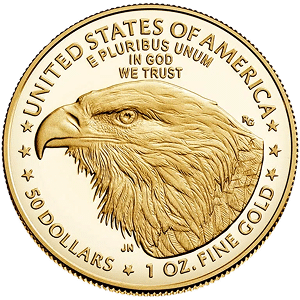
The American Gold Eagle, introduced in 1986, is primarily gold but includes small amounts of silver and copper for added durability.
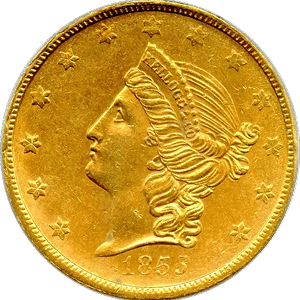
The 1854 Kellogg $20 coin, born from the California Gold Rush, is a rare collector’s piece and a notable part of American history.
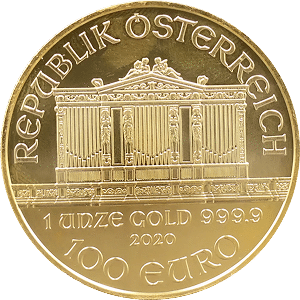
The Austrian Gold Philharmonic, first minted in 1989, was created to honor the Vienna Orchestra—reflected in its distinctive musical-themed designs.
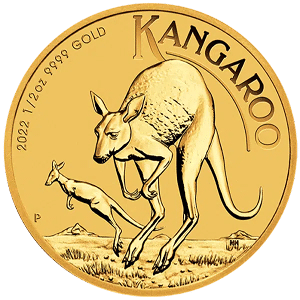
The Australian Gold Kangaroo, first introduced in 1986, is widely regarded as a benchmark for craftsmanship and quality in modern bullion coins.
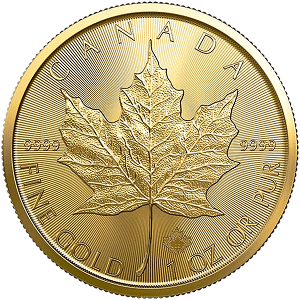
The Canadian Gold Maple Leaf is among the world’s purest coins, featuring 99.9999% gold—and even higher purity in special editions.
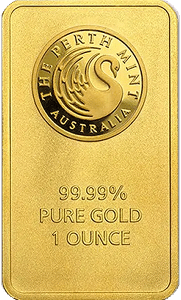
If the remarkable beauty of the Perth Mint 1oz Gold Bar does not first attract one, the security and authenticity feature is sure to make one’s head turn.
Questions?
Keep your investments secure